The Ultimate Beginner’s Guide to Korean Skincare (K-Beauty 101)
Disclosure: This post contains affiliate links. If you purchase through these links, I may earn a small commission at no extra cost to you. I only recommend products I genuinely use and love. As a PR-friendly creator, some products mentioned may have been gifted, but all opinions are entirely my own.
If you are looking into Korean skincare for the very first time, I know exactly what you are thinking. You are probably staring at the famous "10-Step Korean Skincare Routine" and feeling entirely overwhelmed. You might be saying, “I am a tired, busy mom. I barely have time to drink my morning coffee before it gets cold, let alone apply ten different products to my face twice a day!”
Take a deep breath, mama. You are exactly where you need to be.
Welcome to SimplyMamaJulz. I’m Julie Ann, a busy homeschooling mom living in the incredibly dry, harsh climate of the Las Vegas desert. I struggled for years with sensitive, dehydrated skin until I discovered the magic of K-Beauty.
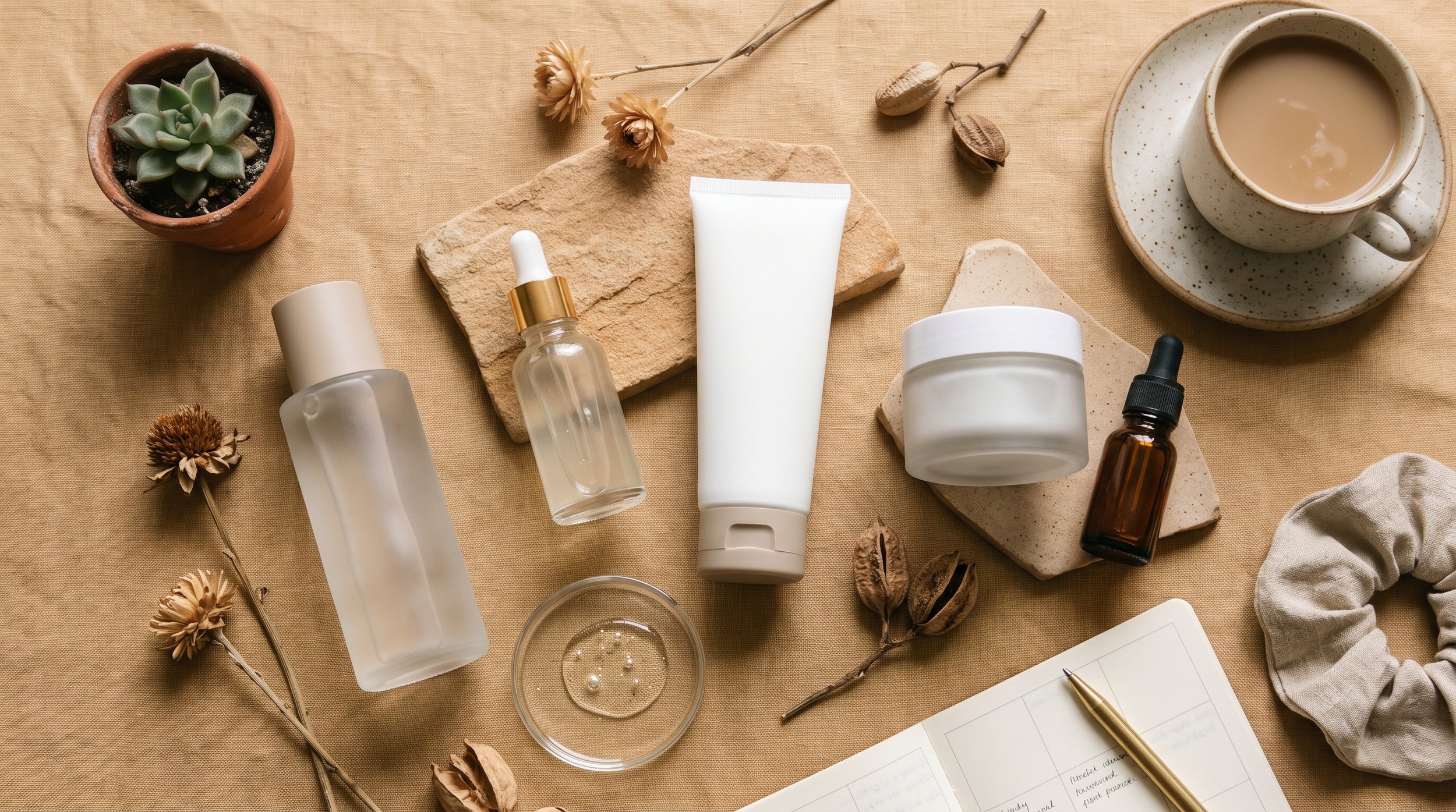
In this beginner's guide to Korean skincare, I am going to demystify the K-Beauty process, explain what all those confusing terms (like essence and ampoule) actually mean, and show you how to achieve that coveted, healthy "glass skin" glow—even if you only have 5 minutes to spare.
What is K-Beauty? The Korean Skincare Philosophy
Before we talk about products, we have to talk about mindset. The reason Korean skincare has taken the world by storm is because it completely flips the traditional Western approach to skin on its head.
In Western skincare, we are often taught to "attack" our skin issues. We use harsh scrubs to fight acne, stinging astringents to dry out oil, and intense acids that leave our faces red and peeling.
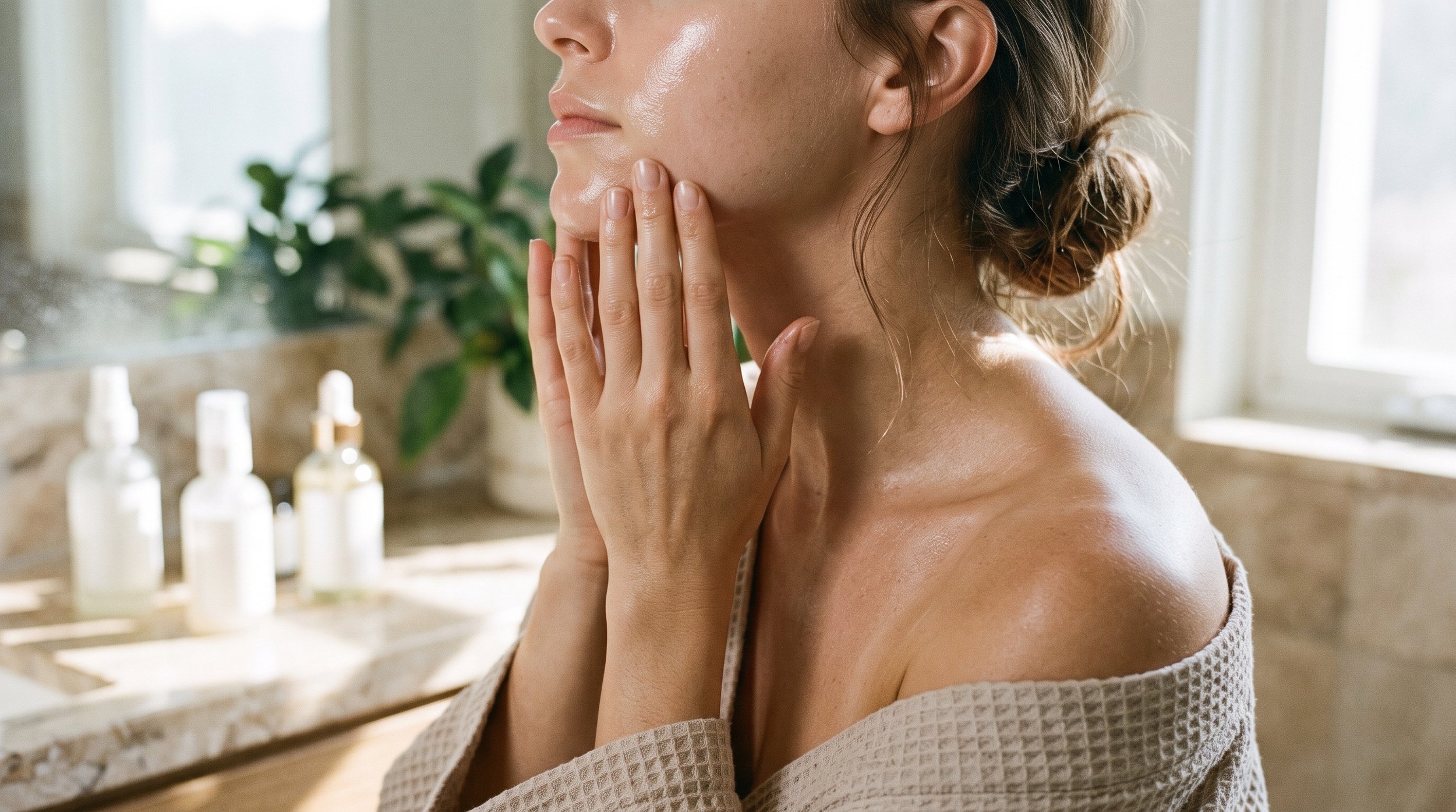
Korean skincare is the exact opposite. The K-Beauty philosophy is built on prevention, deep hydration, and respecting the skin barrier. Instead of attacking your skin, you are nourishing it. You feed your skin calming, gentle ingredients so that it becomes strong enough to heal itself.
Another key pillar is layering. Instead of slapping on one single, thick, heavy cream, the Korean skincare method uses multiple thin, watery layers of hydration. Think of it like dressing for cold weather: wearing a lightweight thermal shirt, a sweater, and a windbreaker will keep you much warmer and more comfortable than wearing one giant, stiff parka.
The Famous 10-Step Korean Skincare Routine (Explained)
If you Google "Korean skincare routine," you will immediately see the 10-step method. While you absolutely do not have to do all 10 steps every day (more on my busy-mom shortcut below!), it is crucial to understand what these steps are so you know what order to apply your products.
Here is the traditional K-Beauty order of operations, from lightest to heaviest:
1. Oil-Based Cleanser
This is step one of the famous "Double Cleanse." Water and oil do not mix, so a regular face wash cannot effectively remove sunscreen, excess sebum, or makeup. You massage a cleansing balm or cleansing oil onto dry skin to gently melt away the day's grime without stripping your skin.
2. Water-Based Cleanser
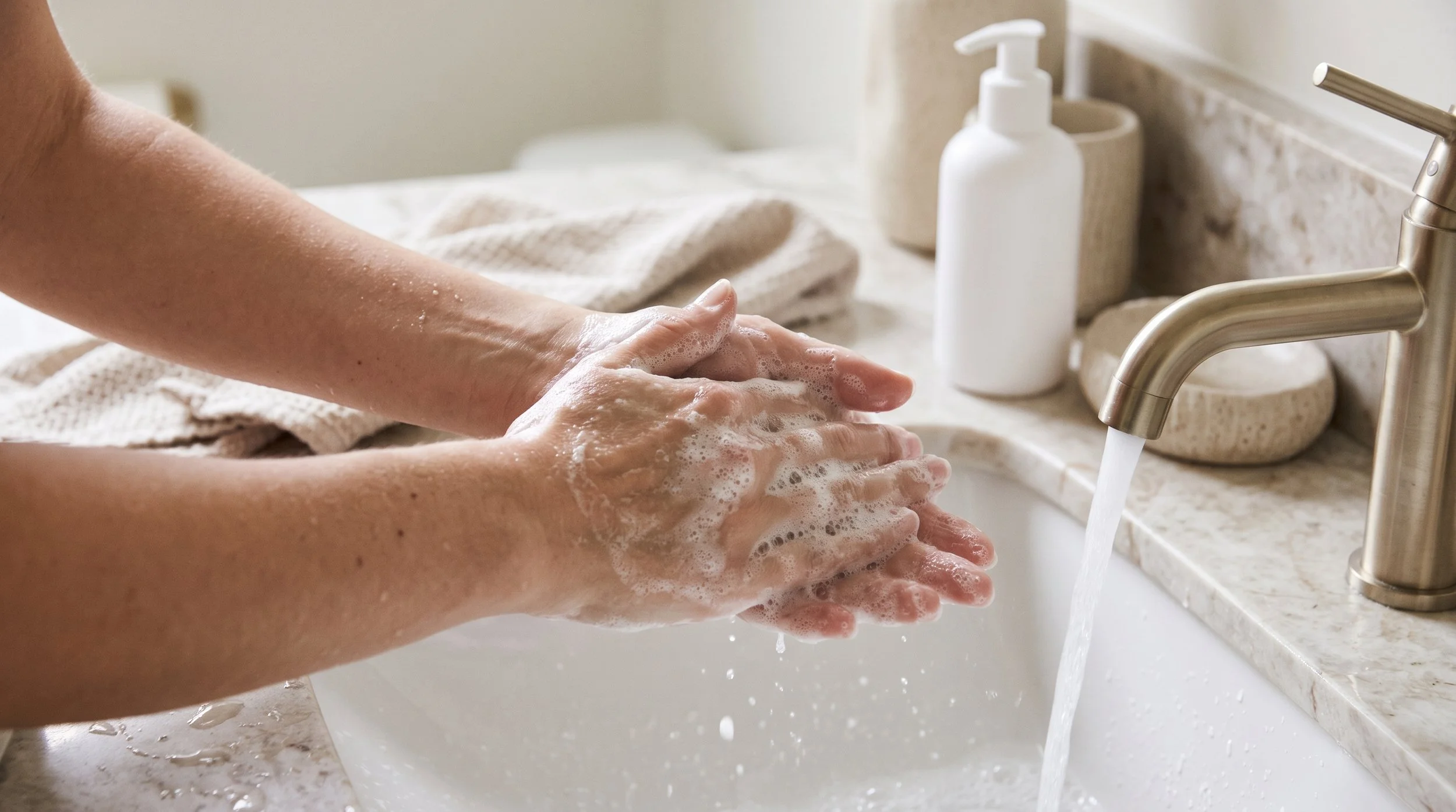
Step two of the Double Cleanse. Now that the oil and makeup are melted away, you use a gentle, low-pH foaming or gel cleanser on wet skin to clean deep into your pores and sweep away any remaining impurities.
3. Exfoliator (1-2 times a week)
K-Beauty favors gentle chemical exfoliants (like AHAs, BHAs, and PHAs) or soft peeling gels over harsh, scratchy scrubs. Exfoliating removes dead skin cells, allowing the rest of your expensive products to actually absorb.
4. Toner
Forget the stinging, alcohol-based toners from your teenage years. Korean toners are incredibly hydrating liquids that balance your skin's pH after washing and act like a primer. Think of your skin like a dry sponge; if you put thick soap on a dry sponge, it just sits on top. If you dampen the sponge first, it absorbs everything.
5. Essence
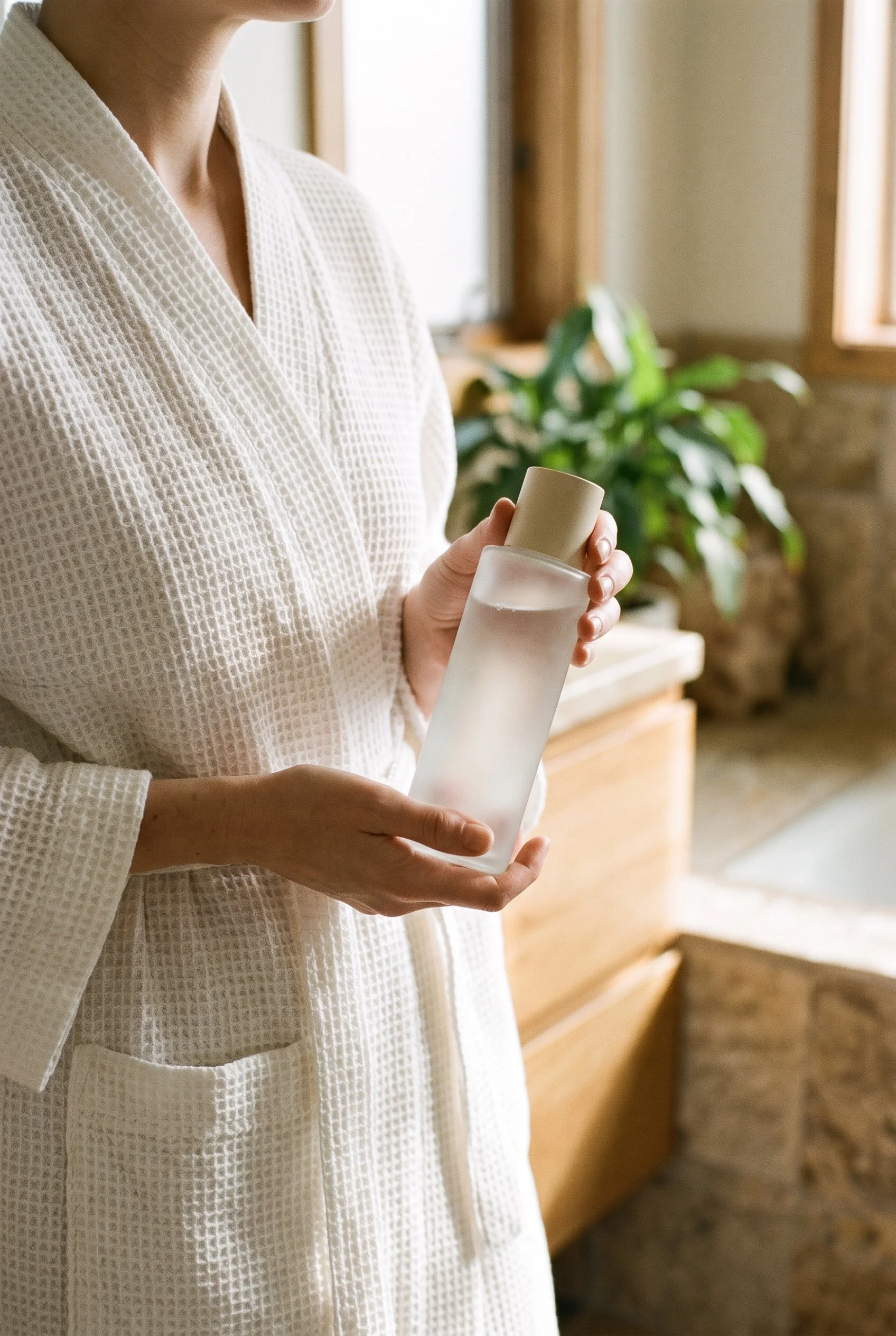
The heart of Korean skincare! An essence is a lightweight, watery fluid packed with fermented ingredients and hydrators. It promotes cellular turnover and gives you that lit-from-within glow.
6. Serum or Ampoule
This is your targeted treatment step. Serums and ampoules (which are just highly concentrated serums) are packed with active ingredients designed to target specific skin concerns like dark spots, fine lines, acne, or rosacea.
7. Sheet Mask (Optional / 1-2 times a week)
A K-Beauty staple. Sheet masks are soaked in serum and force your skin to absorb the nutrients by preventing the product from evaporating. They are the ultimate 15-minute self-care treat for a tired mom!
8. Eye Cream
The skin around your eyes is the thinnest on your face and needs extra TLC. Tapping a hydrating eye cream helps prevent fine lines, puffiness, and dark circles.
9. Moisturizer (Cream or Lotion)
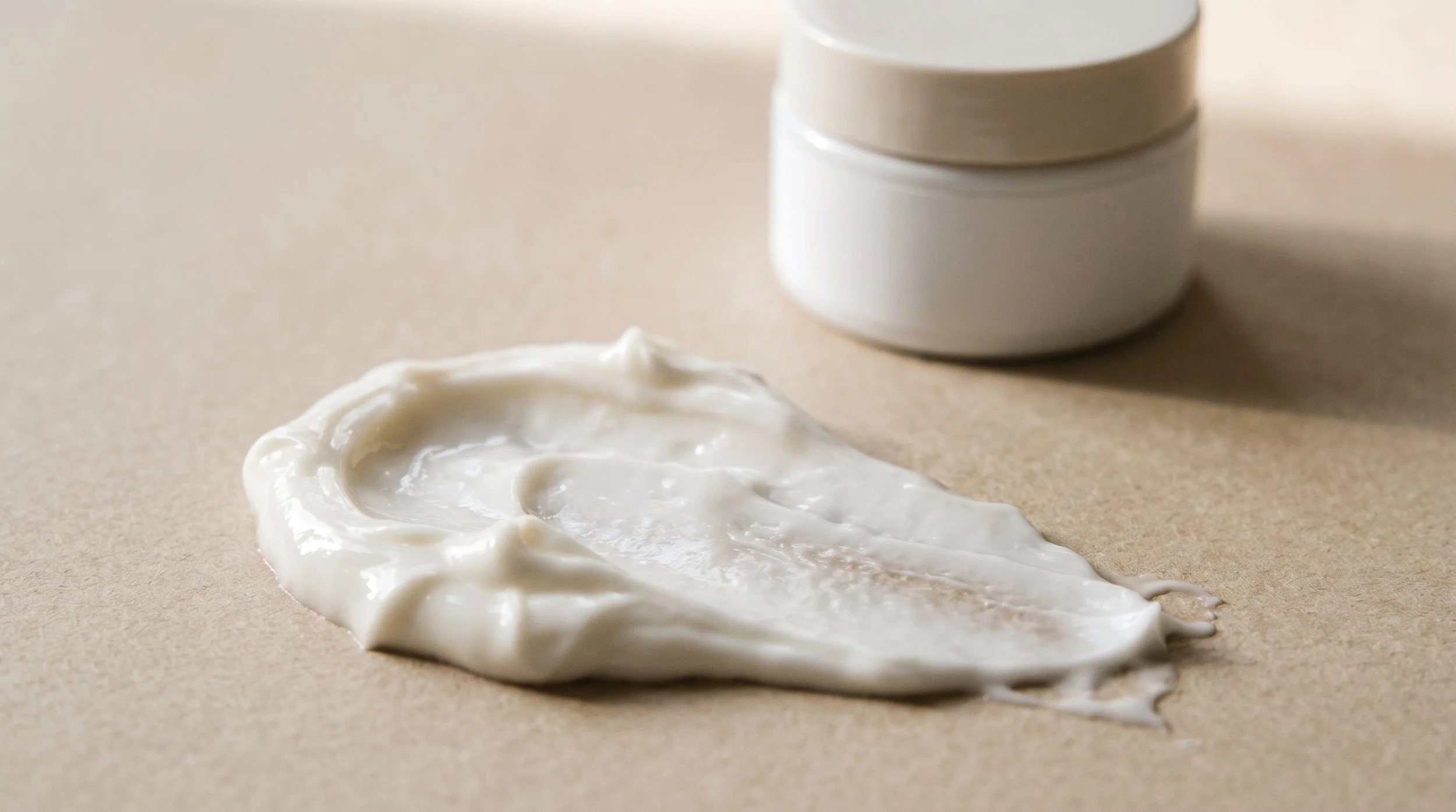
Now it is time to lock it all in. Your moisturizer acts as a sealant, trapping all the beautiful, watery layers you just applied into your skin so they don't evaporate. If you live in a dry climate like the Las Vegas desert, a rich barrier cream is non-negotiable to fight off Transepidermal Water Loss (TEWL).
10. Sunscreen (AM Routine Only)
The most important step of all. Korean sunscreens are revolutionary—they feel like lightweight lotions, leave zero white cast, and sit perfectly under makeup. If you do nothing else, protect your skin from UV damage!
The "Busy Mama" Realistic K-Beauty Routine (4 Essential Steps)
Okay, now that you know the rules, let’s break them! We call this "Skip-Care." When you are a mom juggling homeschooling, household chores, and life, a 10-step routine is a recipe for burnout.
If you are a beginner, I want you to start with these four foundational steps. You can always add more later!
Step 1: Cleanse. (Double cleanse at night to remove SPF, single water-cleanse in the morning).
Step 2: Prep. (Splash on a hydrating Toner or Essence).
Step 3: Treat. (Apply one Serum that targets your biggest skin concern).
Step 4: Protect. (Apply Moisturizer, followed by Sunscreen in the morning).
Julz's Pro-Tip: Look for multi-tasking products! A "Cream Skin" toner acts as both a toner and an essence. A moisturizing SPF can replace your morning face cream. Work smarter, not harder.
The K-Beauty Beginner’s Ingredient Glossary
As you start shopping, you will see a lot of unique ingredients that you won't find in the aisles of an American drugstore. Here is a quick cheat sheet for the most popular K-Beauty powerhouse ingredients:
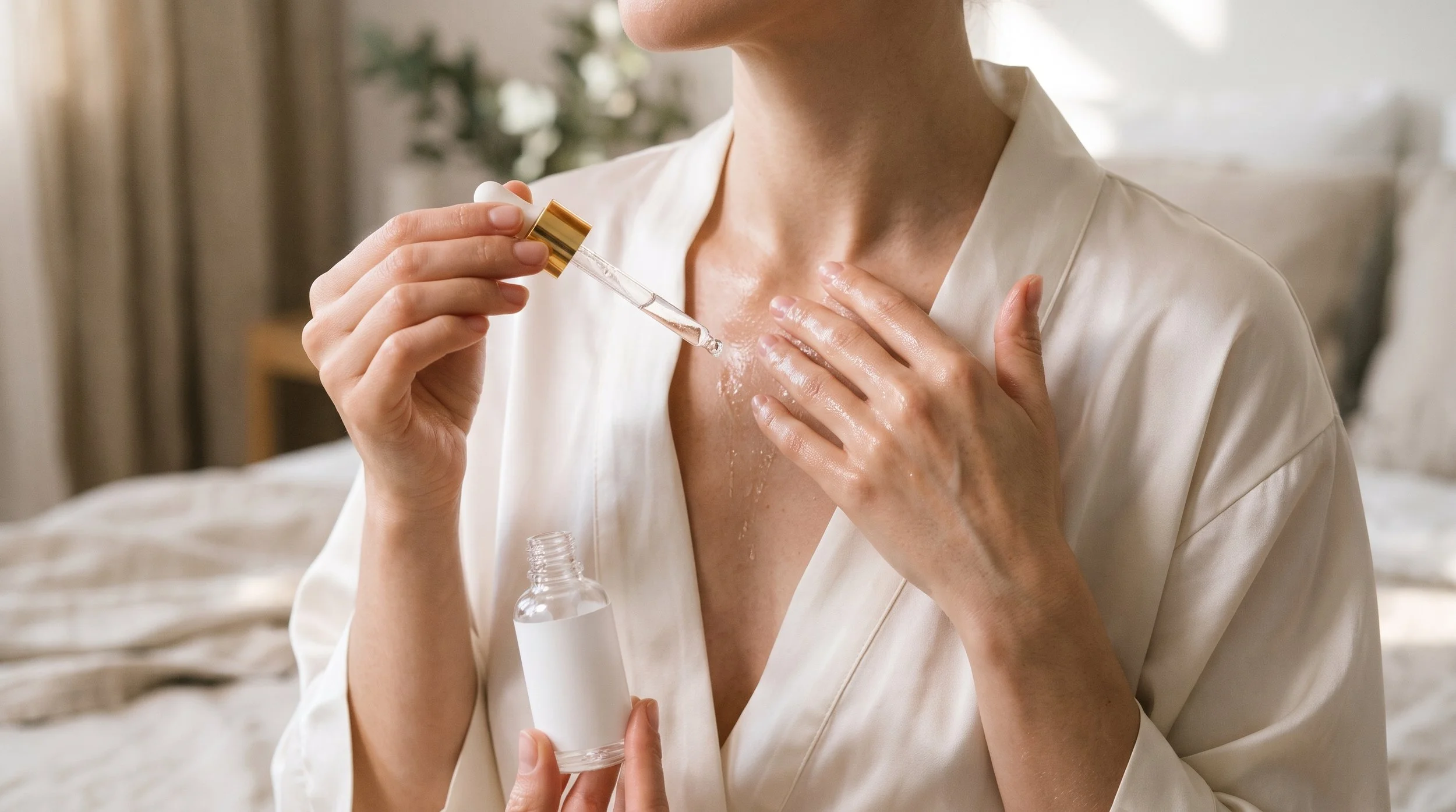
Snail Mucin (Snail Secretion Filtrate): Don't be grossed out! This is a holy grail ingredient for repairing a damaged skin barrier, healing acne scars, and delivering intense, bouncy hydration.
Centella Asiatica (Cica / Tiger Grass): If you have sensitive, red, or irritated skin, Cica is your best friend. It is a leafy green herb famous for its incredible soothing and anti-inflammatory properties.
Hyaluronic Acid: A famous hydrator that holds 1,000 times its weight in water. (Desert Warning: If you live in a dry climate like Vegas, you MUST apply this to damp skin and seal it with a heavy cream immediately, or the dry air will pull the moisture right out of your face!)
Propolis: A resin-like mixture produced by bees. It is naturally antibacterial (great for acne) and leaves the skin with a beautiful, healthy, honey-like glow.
PDRN (Salmon DNA): The newest massive trend in Korean skincare. PDRN is renowned for its tissue-regenerating properties, making it incredible for skin elasticity, firming, and anti-aging.
3 Common K-Beauty Beginner Mistakes to Avoid
As you begin your glass skin journey, keep these three golden rules in mind to protect your skin barrier:
Buying everything at once: It is tempting to buy an entire 10-step routine and start it all on the same night. Please don't! If you introduce 6 new products at once and have an allergic reaction, you won't know which product caused it. Introduce one new product every 3 to 4 days.
Skipping Sunscreen: There is absolutely no point in spending money on serums to fade your dark spots if you are going to let the sun create new ones the next day. SPF is mandatory!
Over-exfoliating: A damaged skin barrier feels tight, itchy, and looks shiny but feels dry. This usually happens from using too many harsh chemical exfoliants. Keep exfoliation to 1-2 times a week, maximum.
Ready to Start Your Skincare Journey? Next Steps!
Now that you have graduated from K-Beauty 101, it is time to build a routine that works for your specific skin type and lifestyle.