The Ultimate Desert Skincare Guide: How to Hydrate and Repair Your Skin Barrier with K-Beauty
Living in the desert is uniquely beautiful, but if we are being completely honest, it is an absolute nightmare for your skin. If you live in an arid climate like I do here in the Las Vegas valley, you already know the daily struggle. Between the blistering 110-degree summer heat, the shockingly bone-dry winters, and the constant, aggressive blast of indoor air conditioning, the desert climate literally sucks the life and moisture right out of your face.
Disclosure: This post contains affiliate links. If you purchase through these links, I may earn a small commission at no extra cost to you. I only recommend products I genuinely use and love. As a PR-friendly creator, some products mentioned may have been gifted, but all opinions are entirely my own.
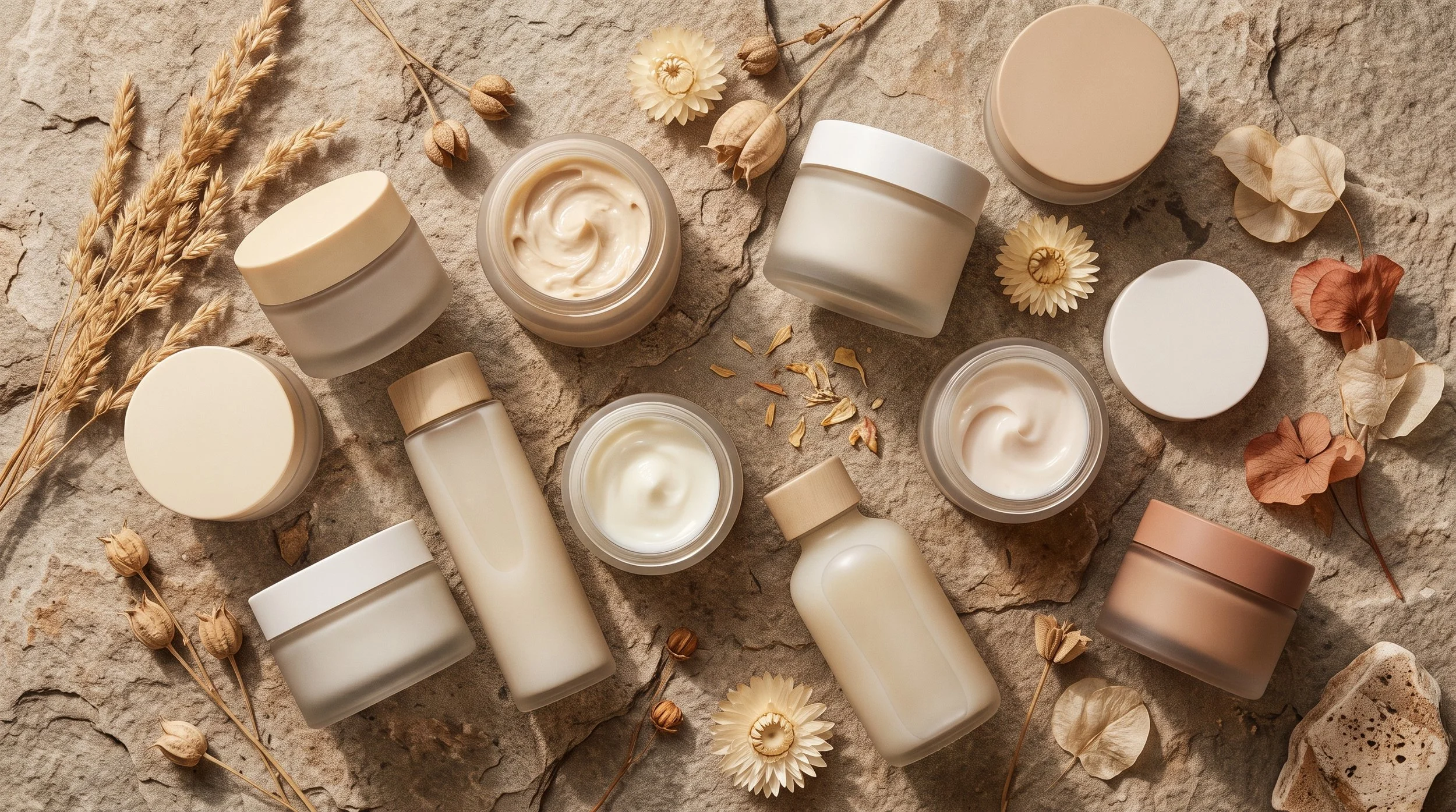
Before I discovered Korean skincare, I spent years fighting my skin. My face constantly felt tight and itchy. I dealt with dry patches, unexpected redness, and that frustrating phenomenon where your foundation flakes off by noon, leaving you looking exhausted. As a busy homeschooling mom, I didn't have the time or energy to deal with a complicated, failing routine. I just wanted my skin to feel comfortable and look healthy.
If your skin is showing these exact signs of distress, you are dealing with a compromised skin barrier. In this comprehensive desert skincare guide, we are going to dive deep into exactly why the desert ruins your skin, the specific K-Beauty ingredients you need to fix it, and how to build a realistic, desert-proof routine that actually fits into a busy mom's schedule.
Why Your Skin Hates the Desert
To understand how to fix desert skin, you have to understand what you are fighting against. In a humid or temperate climate, the moisture in the air naturally supports your skin. It provides a cushion of hydration that your skin can draw from throughout the day.
In an arid climate like Nevada, Arizona, or Utah, the air is completely stripped of moisture. But the outdoor heat is only half the battle. To survive the heat, we spend most of our time indoors under heavy air conditioning. A/C units work by actively removing humidity from the air to cool it down. This creates a relentless, 24/7 cycle where your skin is constantly exposed to zero-humidity environments, whether you are outside running errands or inside teaching the kids.
This extreme lack of environmental moisture leads directly to the ultimate enemy of healthy skin: TEWL.
The Science of Dryness: Understanding TEWL (Transepidermal Water Loss)
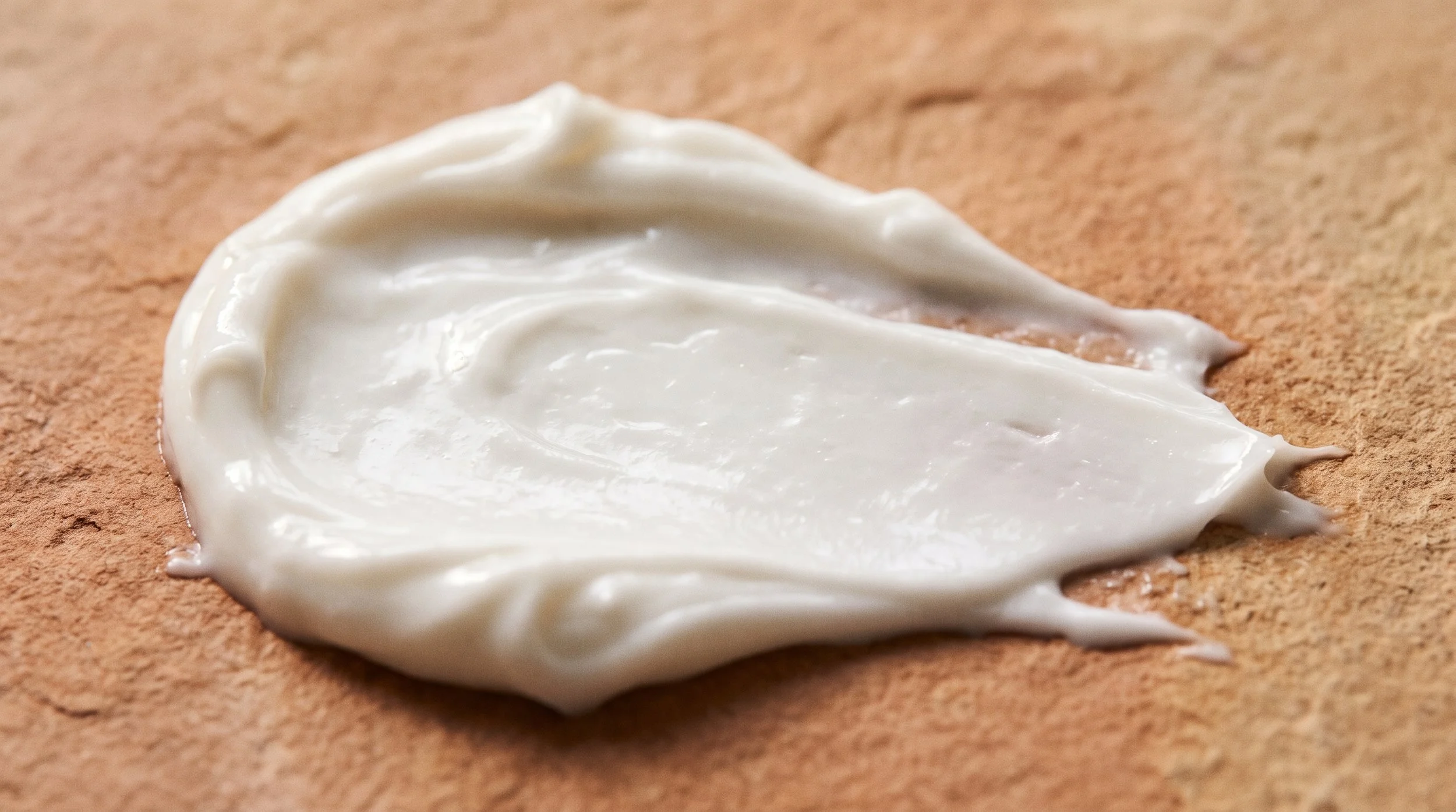
Transepidermal Water Loss (TEWL) sounds incredibly scientific, but it is actually a very simple concept. It is the natural process where water passively evaporates from inside your body, through your skin barrier, and out into the surrounding air.
Think of your skin barrier like a brick wall. The skin cells are the bricks, and the lipids (natural fats and oils) are the mortar holding everything together. When that mortar is strong, the water stays trapped inside, keeping your skin plump, bouncy, and hydrated.
When you live in the desert, the brutally dry air acts like a vacuum. It aggressively pulls the moisture out of your deep dermal layers, completely drying out the "mortar." Once that barrier is cracked and compromised, the TEWL process goes into overdrive. Your skin loses water faster than you can replace it, leading directly to sensitivity, redness, premature fine lines, and that horrible tight feeling.
To fix desert skin, our entire goal is to stop TEWL in its tracks.
The Hyaluronic Acid Trap: A Desert Warning
If you have ever Googled "how to fix dry skin," you have undoubtedly been told to use Hyaluronic Acid (HA). HA is famous in the beauty industry because it is a humectant that can hold up to 1,000 times its weight in water.
But here is the beauty industry's best-kept secret: Hyaluronic Acid can actually make desert skin significantly worse.
Because HA is a humectant, its job is to pull water from its surrounding environment like a magnet. If you live in a humid place like Florida or Hawaii, the HA pulls water from the humid air and pushes it into your skin. It works beautifully.
If you live in Las Vegas, there is absolutely zero moisture in the air for the HA to grab onto. So, what does it do? It gets confused. Instead of pulling water from the air, it pulls water from the deepest layers of your own skin and brings it to the surface. Because the air is so dry, that water instantly evaporates. Using HA incorrectly in the desert will literally dehydrate you from the inside out.
The Desert Fix: You do not have to throw away your Hyaluronic Acid, but you must change how you use it. You must always apply HA to damp skin, and you must immediately seal it in with a thick, occlusive barrier cream before it has the chance to evaporate.
The K-Beauty Solution: Mastering the "Moisture Sandwich"
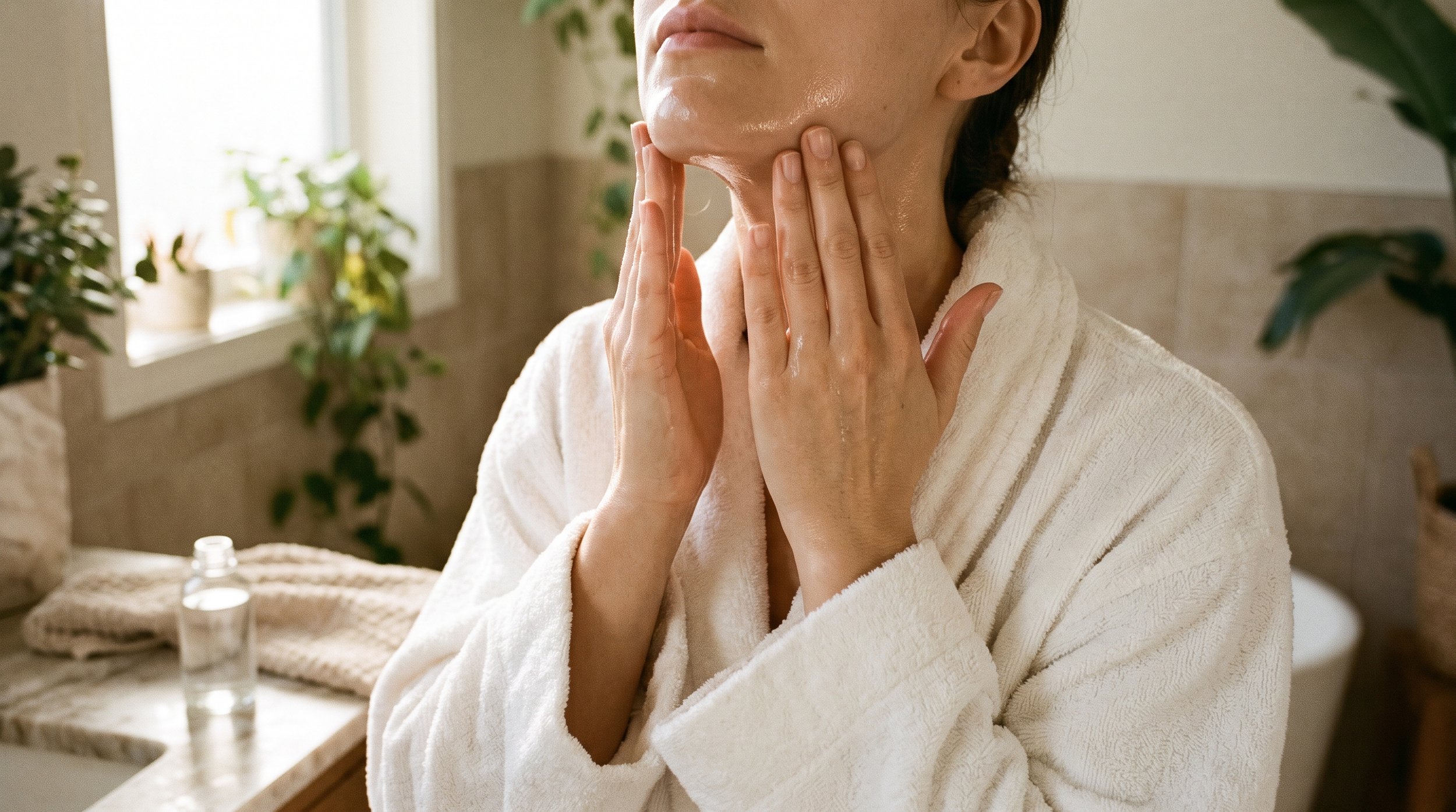
To combat TEWL and survive the desert, Korean skincare relies heavily on a technique called the "Moisture Sandwich." Instead of relying on one single, heavy cream to do all the work, we use multiple lightweight layers to build a fortress of hydration.
Here is how you build a moisture sandwich:
The Damp Base: Never apply hydrating products to a completely dry face. After cleansing, leave your face slightly damp, or generously mist it with water or a soothing facial spray.
The Watery Hydrators: Apply your lightweight, watery toners and essences. This pushes deep hydration into the skin.
The Emollients: Apply a thicker, milky serum, ampoule, or light lotion. This layer softens the skin and begins to repair the "mortar" between your skin cells.
The Sealant (Occlusive): This is the most crucial step in the desert. Apply a heavy barrier cream or a sleeping mask. This acts as the "roof" of your sandwich, locking the doors so the hydration you just applied cannot escape into the dry desert air.
When you are shopping for K-Beauty products to survive the harsh desert heat, you need to look past the marketing and check the ingredient list. These five ingredients are absolute non-negotiables for barrier repair and hydration:
Ceramides: If your skin barrier is a brick wall, ceramides are the ultimate mortar. They naturally make up about 50% of the skin's outer layer. Applying a ceramide-rich cream physically rebuilds your skin barrier, trapping moisture in and keeping environmental irritants out.
Panthenol (Vitamin B5): An incredible, multitasking ingredient. Panthenol acts as both a humectant (drawing in moisture) and an emollient (smoothing and sealing the skin). It is exceptionally soothing and rapidly reduces redness and inflammation caused by desert windburn.
Beta-Glucan: Move over, Hyaluronic Acid! Derived from mushrooms, yeast, or oats, Beta-Glucan is a humectant that is actually 20% more hydrating than HA. Even better, it helps prevent cell damage and supports barrier healing, making it a much safer, more effective choice for dry climates.
Snail Mucin (Snail Secretion Filtrate): It might sound unusual at first, but Snail Mucin is a K-Beauty staple for a reason. It is packed with glycoproteins, hyaluronic acid, and glycolic acid. It provides intense, bouncy hydration and accelerates the healing of a cracked, compromised skin barrier.
Squalane: Your skin naturally produces squalene (with an 'e') to keep itself moisturized, but production drops significantly as we age. Squalane (with an 'a') is a lightweight, plant-derived oil that perfectly mimics your skin's natural sebum. It provides incredible moisture-locking benefits without ever feeling greasy or clogging your pores.
5 Holy Grail K-Beauty Ingredients for Arid Climates
The Realistic Desert K-Beauty Routine for Busy Moms
The Desert Morning (AM)
The morning routine is all about gentle prep and intense protection against the brutal UV index.
Step 1: Gentle Cleansing. Skip the harsh, stripping foaming cleansers in the morning. If you are extremely dry, simply rinse your face with lukewarm water. If you prefer a cleanser, use a gentle, milky formula that does not lather.
Step 2: Milky Toner. Immediately apply a milky "Cream Skin" toner to your damp face. This floods the skin with moisture and preps it for the day.
Step 3: Antioxidant Serum (Optional). A gentle Vitamin C serum helps protect your skin from environmental damage and brightens your complexion.
Step 4: Heavy-Duty Sunscreen. Do not skip this! Opt for a deeply moisturizing, essence-like K-Beauty SPF 50+. If your skin is flaking, apply a lightweight ceramide lotion before your sunscreen for extra protection.
I am a huge advocate for "Skip-Care." When you are juggling kids, chores, and life, a 10-step routine is just going to collect dust on your bathroom counter. Here is a streamlined, highly effective desert routine that takes less than five minutes.
The Desert Evening (PM)
The evening routine is dedicated to repairing the damage caused by the dry air and A/C throughout the day.
Step 1: The Double Cleanse. Massage a rich cleansing balm onto dry skin to melt away your SPF and makeup. Add water to emulsify, rinse, and follow up with a low-pH, hydrating water-based cleanser. Your skin should never feel "squeaky clean"—squeaky means stripped!
Step 2: Hydrating Essence. While your skin is still damp, pat in a repairing essence, like Snail Mucin or Beta-Glucan.
Step 3: Barrier Serum. Apply a targeted serum rich in Panthenol, Ceramides, or Centella Asiatica to soothe redness and speed up barrier repair.
Step 4: The Sealant. Finish your routine with a thick, rich barrier cream. Look for creams with a thick, almost buttery texture to ensure that all the watery layers you just applied stay trapped in your skin overnight.
Beyond the Bottles: Essential Lifestyle Tweaks
Skincare products can only do so much if your environment is actively working against you. To truly beat desert dryness, you have to support your skin from the outside in and the inside out.
First, invest in a good humidifier and run it in your bedroom every single night while you sleep. Returning some humidity to your immediate environment gives your skin a much-needed break from the dry air, allowing your overnight barrier creams to work effectively.
Second, pay attention to the water temperature when you wash your face. Taking a steaming hot shower after a long day feels amazing, but hot water aggressively strips the natural lipid barrier right off your skin, causing massive TEWL. Always wash your face with lukewarm or cool water at the bathroom sink. Finally, drink more water than you think you need. The desert climate dehydrates your internal organs just as fast as it dehydrates your skin, and true cellular hydration always starts from within.
If you are ready to transition your routine and finally find some relief from the dry, tight desert air, the best place to start is with my Ultimate Beginner's Guide to Korean Skincare (K-Beauty 101) post, where I break down exactly what all these product types do. What is your biggest struggle with desert skin right now? Let me know in the comments below, and let's work on fixing that barrier together!